Looking for a job can feel overwhelming. You're applying to dozens of positions, tracking multiple interviews, and trying to remember which company asked for what.
It's easy to lose track. And when you lose track, you lose opportunities.
Today, FindYourJobNow.com is showing you how to organize your job search in 2026 so you stay focused, reduce stress, and land a job faster.
Here's the truth: Job searching is a process that benefits from planning and consistency.[1] You can't just randomly apply to jobs and hope something sticks. You need a system. When you have a system, you apply to more relevant jobs, follow up at the right times, prepare better for interviews, and reduce stress and burnout. The job market in 2026 is competitive. The candidates who stay organized are the ones who get hired. So let's build that system.
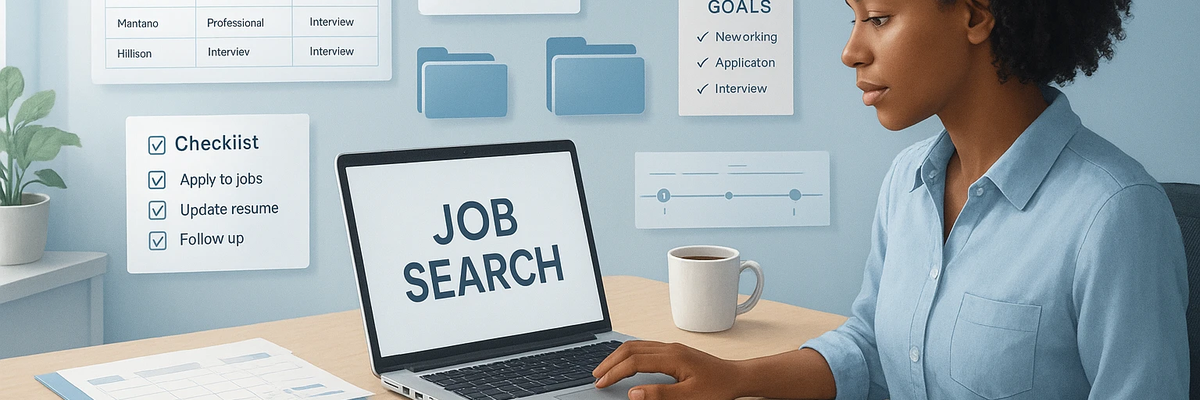
The first step? Create a job search tracker. This can be a simple spreadsheet with columns for company name, job title, date applied, contact person (if you have one), follow-up date, interview date, and status (applied, interview scheduled, rejected, offer, etc.). Every time you apply for a job, add it to your tracker. This way, you'll never forget where you applied, who you spoke to, or when to follow up. It sounds simple. But most job seekers skip this step and pay for it later.
Breaking tasks into manageable steps helps reduce burnout.[2] Instead of saying "I need to find a job," set specific goals like apply to 5 jobs this week, send 3 networking messages, update my resume, or practice interview questions for 30 minutes. When you break your job search into small, actionable steps, it feels less overwhelming and you make consistent progress every single day.
Treat your job search like a job. Block out specific times each day or week to focus on job search activities. Maybe it's 9-11am every morning, or Tuesday and Thursday evenings. Whatever works for your schedule, stick to it. Consistency is key. The job seekers who show up every day, even when they don't feel like it, are the ones who land jobs faster.
It's tempting to apply to every job you see. But that's not effective. Instead, focus on quality applications. Spend time tailoring your resume and cover letter to each job. Research the company before you apply. Make sure you're genuinely a good fit. Five high-quality, tailored applications will get you further than 50 generic ones every single time.
Create a folder on your computer specifically for your job search. Inside, keep multiple versions of your resume (tailored for different types of jobs), cover letter templates, a list of references, copies of job descriptions you've applied to, and notes from networking conversations and interviews. Having everything in one place saves time, reduces stress, and makes you look more professional when you need to pull something up quickly.
Following up is crucial, but most people forget to do it. Use your job search tracker to note when you should follow up. Generally, follow up 1-2 weeks after applying (if you haven't heard back), send a thank-you email within 24 hours after an interview, and check in 1 week after an interview if you haven't received a response. Set reminders on your phone or calendar so nothing slips through the cracks. A well-timed follow-up has landed many people jobs that seemed like a long shot.
Ready to organize your job search? Here's your action plan: Create a job search tracker (use a spreadsheet or a notebook). Set specific daily or weekly goals. Block out time on your calendar for job search activities. Organize all your job search materials in one dedicated folder.
Then, head over to our homepage (or click the home button above) and use our advanced job search toolbar. Type in the kind of job you're looking for and where you want to work… then click "view jobs."
Job searching is a process that benefits from planning and consistency. Breaking tasks into manageable steps helps reduce burnout. Create a job search tracker, set daily goals, schedule your time, and prioritize quality over quantity. With an organized system in place, you'll stay focused, reduce stress, and land a job faster in 2026.
[1] Indeed