If you've been job searching for a while and starting to wonder if something is wrong with you… stop.
Nothing is wrong with you. Job searches just take longer than most people expect. And knowing that going in can make all the difference.
Today, FindYourJobNow is sharing what the data actually says about how long a modern job search takes… and how to stay productive and motivated while you wait.
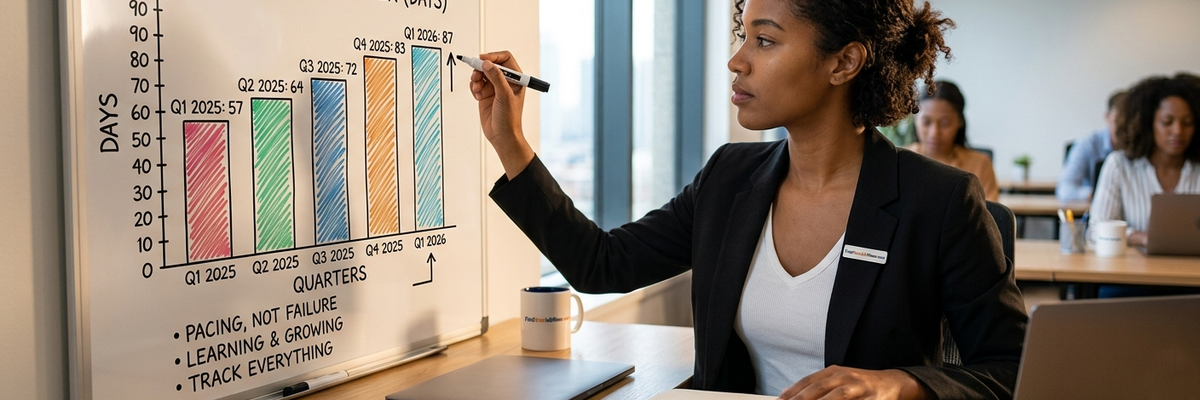
Here's the reality of the 2026 job market: The median time to first offer climbed steadily through 2025, rising from 57 days in Q1 to 83 days in Q4.[1] That's nearly three months just to get a first offer, and that number has continued to trend upward. On average, a job search now spans about five months, emphasizing the need for strategic and sustained effort.[2] Five months. That's not a failure. That's just the reality of how hiring works right now.
Why does it take so long? There are several reasons. Companies are being more careful and deliberate about hiring decisions. Interview processes have gotten longer, often involving multiple rounds, panel interviews, skills assessments, and background checks. Many roles attract hundreds of applicants, which means more time to sort through them. And budget approvals and internal processes can slow things down on the employer's side in ways that have nothing to do with you as a candidate.
Knowing this upfront changes how you should approach your job search. If you go in expecting to land something in two weeks and it doesn't happen, you'll feel like a failure by week three. But if you go in knowing that five months is completely normal, you can pace yourself, stay consistent, and avoid the burnout that derails so many job seekers.
Here's how to manage a longer job search effectively: Treat it like a marathon, not a sprint. Set weekly goals for applications, networking outreach, and skill building. Track everything in a spreadsheet so you can see your progress and follow up at the right times. Build in rest days so you don't burn out. And keep learning while you search. Use the time to earn a certification, build a new skill, or strengthen your LinkedIn profile. Every week you're searching is also a week you can be growing.
Stay connected with your network throughout the process. Let people know you're looking. Check in with contacts regularly. Attend industry events. The longer a job search goes, the more important your network becomes, because many of the best opportunities never get posted publicly at all.
And don't put all your eggs in one basket. Keep applying consistently even when you have interviews in progress. Interviews fall through. Offers get rescinded. Roles get put on hold. The candidates who land jobs fastest are the ones who never stop applying until they have a signed offer in hand.
Ready to approach your job search with the right expectations? Here's your action plan: Accept that five months is normal and plan accordingly. Set up a weekly job search schedule with specific goals. Build a tracker to monitor your applications and follow-ups. Keep learning and growing while you search.
Head over to our homepage (or click the home button above) and use our advanced job search toolbar. Type in the kind of job you're looking for and where you want to work… then click "view jobs."
The median time to a first offer rose to 83 days by Q4 of 2025, and the average job search now spans about five months. That's not a reflection of your worth or your abilities. It's just the reality of the modern hiring process. Go in with the right expectations, pace yourself, stay consistent, and keep growing while you search. The right opportunity is out there. Give yourself the time to find it.
[1] Huntr — 2025 Annual Job Search Trends Report: Time to First Offer
[2] High5Test — 20+ Job Search Statistics in the U.S. 2024-2025