You left the interview feeling good. Now what?
Do you wait? Do you follow up? And if you do, how soon is too soon, and how do you avoid sounding desperate or pushy?
Today, FindYourJobNow.com is giving you a clear, research-backed timeline for following up after an interview, and templates you can actually use.
Data on candidate ghosting from iHire's ongoing survey research has identified specific points in the hiring process where candidates are most often left waiting without communication, particularly right after submitting an application and again after a first interview.[1] Understanding exactly where these gaps tend to occur helps justify sensible, well-timed follow-up windows rather than either following up too aggressively or not following up at all.
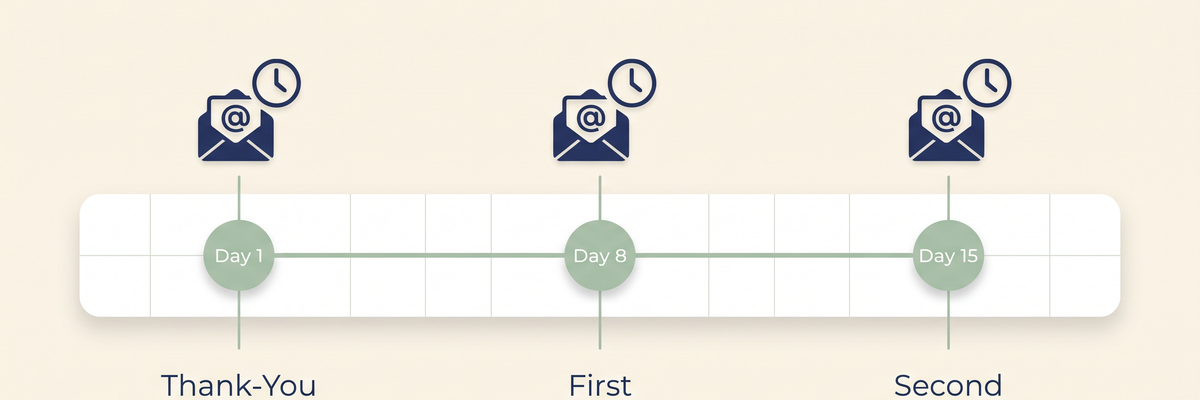
Here's a practical timeline based on this research and broader hiring process norms documented by career resources like Indeed's career advice team.[2] After submitting an application, if you haven't heard anything within one to two weeks, a single, brief follow-up email is reasonable. Something simple works well: "Hi [Name], I wanted to check in on the status of my application for the [role] position. I remain very interested in the opportunity and would appreciate any update when convenient. Thank you."
After a first interview, send a thank-you email within 24 hours. This isn't really a "follow-up" in the check-in sense, it's simply good practice and a genuine opportunity to reinforce your interest and reference something specific from the conversation. Something like: "Thank you for taking the time to speak with me today. I especially enjoyed learning about [specific topic discussed], and I'm even more excited about the opportunity to contribute to [specific project or team]. Please let me know if there's anything further you need from me."
If a week to a week and a half passes after that first interview with no further communication, a polite check-in is appropriate. Keep it short: "Hi [Name], I hope you're doing well. I wanted to follow up on our conversation last week and see if there's any update on next steps. I remain very interested in the role. Thank you again for your time." Notice the tone throughout all of these templates: warm, brief, and professional, never impatient or demanding.
If a second reasonable follow-up also goes unanswered after another week or two, it's generally appropriate to send one final, graceful message, then mentally shift your focus elsewhere while leaving the door professionally open. Something like: "Hi [Name], I wanted to reach out one more time regarding the [role] position. I completely understand hiring processes can take time, and I remain interested if the opportunity is still available. In the meantime, I hope you have a great rest of your week."
The key principle across every one of these templates is spacing and tone. Don't follow up multiple times within just a few days of each other, that tends to feel pushy regardless of how politely it's worded. Space your follow-ups out by roughly a week each time, and always keep the tone warm, brief, and low-pressure. This approach respects the reality that internal delays are common and often completely outside anyone's immediate control, while still keeping you visible and top of mind in a professional way.
Ready to follow up with confidence and the right timing? Here's your action plan: Send a thank-you email within 24 hours of every interview. If a week to a week and a half passes with no response, send one brief, polite follow-up. Space any additional follow-ups out by about a week each. Keep every message warm, short, and professional.
Head over to our homepage (or click the home button above) and use our advanced job search toolbar. Type in the kind of job you're looking for and where you want to work… then click "view jobs."
Research from iHire's ongoing candidate ghosting studies shows candidates are most often left waiting right after applying and after a first interview, which is exactly why a sensible, well-spaced follow-up timeline matters. Send your thank-you within 24 hours, follow up once after a week or so of silence, space out any additional follow-ups, and always keep your tone warm and brief. Done right, following up shows genuine interest, never desperation.
[1] iHire — State of Online Recruiting: Candidate Ghosting Survey Research
[2] Indeed — How and When to Follow Up After a Job Interview