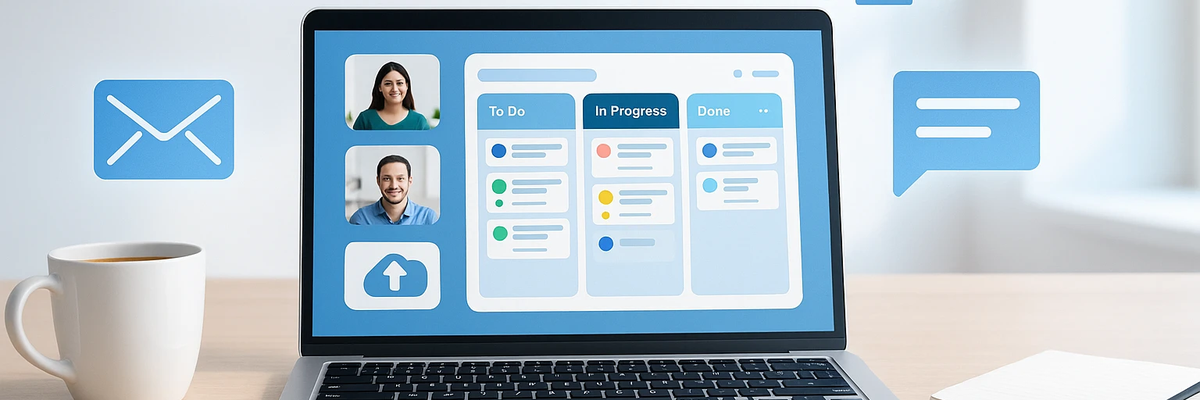
Think you can get by without digital skills? Think again.
Even if you're not applying for tech jobs, employers expect you to be comfortable with digital tools in 2026. And if you're not? You're getting passed over for candidates who are. It's that simple.
Today, FindYourJobNow.com is breaking down the baseline digital skills every job seeker needs… no matter what field you're in.
Here's the reality: Digital literacy is no longer optional in most workplaces.[1] Whether you're in healthcare, retail, education, or any other field… you need to know how to use digital tools. Why? Because work has gone fully digital. Meetings happen on Zoom or Teams. Projects are managed in Asana or Monday.com. Communication happens in Slack or Teams. Files are stored in Google Drive or SharePoint. AI tools are being woven into everyday workflows. If you can't navigate these tools confidently, you can't do the job the way employers need it done in 2026.
You don't need to be a tech expert. But you do need to be comfortable with these basics: Email and calendar management—can you write professional emails, schedule meetings and send calendar invites, and manage your inbox efficiently? These sound simple, but they're essential and employers notice when candidates struggle with them. Video conferencing tools—can you join a Zoom or Teams meeting, share your screen, use chat, and mute and unmute yourself without fumbling? Remote and hybrid work is firmly here to stay in 2026. You need to be completely comfortable on video calls.
Cloud storage and file sharing—can you upload and organize files in Google Drive or Dropbox, share files with others and manage permissions, and collaborate on documents in real-time with teammates across different locations? Most companies run entirely on cloud-based systems now. You need to know how they work. Collaboration tools—can you use Slack, Teams, or other messaging platforms, manage tasks in project management tools like Asana or Trello, and collaborate on shared documents in Google Docs or Microsoft 365? Understanding collaboration tools and digital workflows is essential.[2] These aren't optional extras anymore. They're the foundation of how modern teams operate.
Basic troubleshooting—can you restart your computer when something goes wrong, clear your browser cache, update software when prompted, and handle a dropped video call without panicking? You don't need to be IT support. But you should be able to handle basic tech issues independently without calling for help every time something minor goes wrong.
Don't panic if you're not comfortable with all of these tools yet. You can learn them quickly and for free. Use free tutorials—YouTube has step-by-step tutorials for every tool imaginable. LinkedIn Learning offers free courses (with a trial). Many tools have built-in tutorials like Zoom's test meeting feature that walk you through everything. Practice with free versions—most digital tools offer free accounts. Sign up and practice: Create a free Zoom account and practice hosting meetings. Set up a Google Drive and practice organizing and sharing files. Join a free Slack workspace and explore all the features. The more you use these tools, the more natural they become.
Once you're comfortable with a tool, add it to your skills section on your resume: "Proficient in Zoom, Microsoft Teams, and Google Workspace" or "Experience with project management tools including Asana and Trello." These are the kinds of keywords recruiters and hiring managers are actively looking for in 2026.
Ready to build your digital skills? Here's your action plan: Pick one digital tool you're not yet comfortable with. Watch a 10-minute tutorial on YouTube today. Practice using the tool for 15-20 minutes. Add it to your resume once you feel confident with it.
And start applying for jobs where your digital skills will be an asset. Head over to our homepage (or click the home button above) and use our advanced job search toolbar. Type in the kind of job you're looking for and where you want to work… then click "view jobs."
Digital literacy is no longer optional in most workplaces. Understanding collaboration tools and digital workflows is essential. Employers in 2026 expect you to be comfortable with email, video conferencing, cloud storage, collaboration tools, and basic troubleshooting. The good news? You can learn all of these skills quickly with free tutorials and a little practice. Build your digital skills today, and you'll be ready for the modern workplace.
[1] Forbes